
Adapt and Overcome

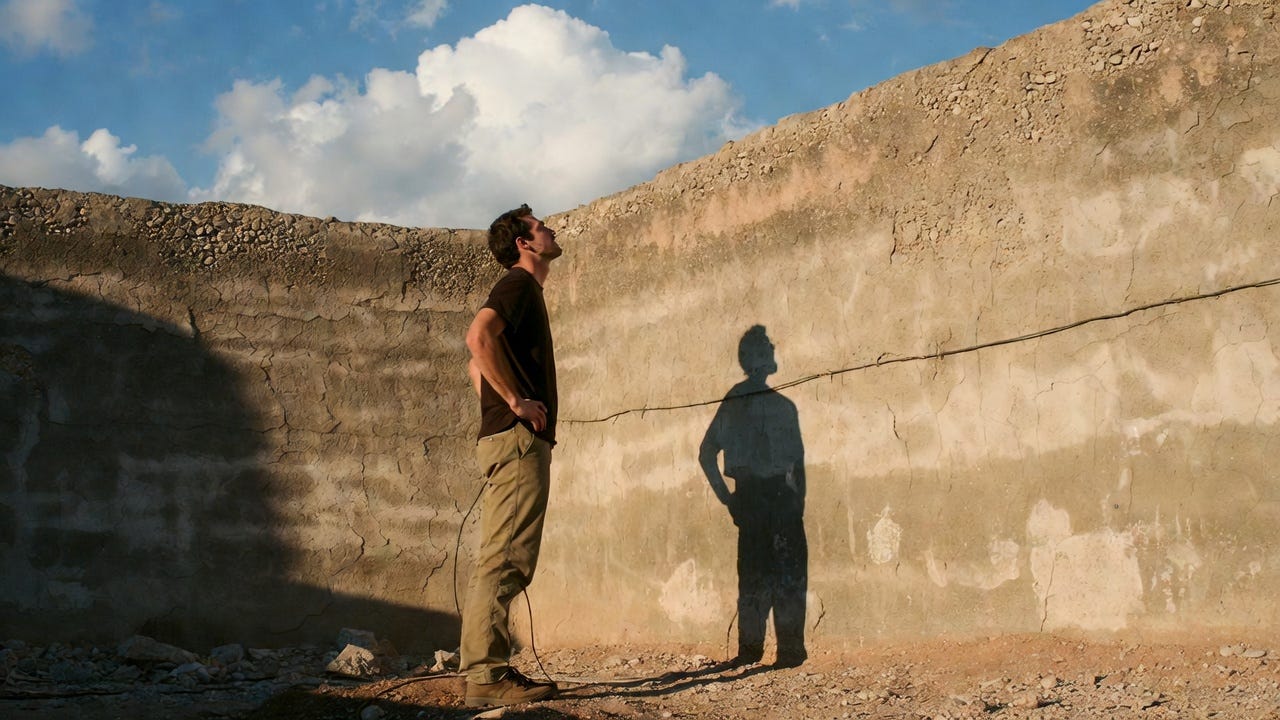
One of the phrases that was drilled into my head when I was in the Marine Corps was “Adapt and overcome!” This taught me and my fellow Marines to ensure we were resilient when all things went wrong, whether we didn’t have the right equipment to overcome an obstacle or we were in a situation where we had to quickly revise our strategies because they were no longer working. The phrase is to teach you that if you want to overcome something, you must change.
But if you look at the average person, they are not only unwilling to change; they are afraid of change. People would rather stay the course so long as they know what to expect. Why? Because their current path is predictable and thus emotionally safer than walking a path that they do not know.
They also think letting go is a loser’s mindset, reminding themselves of the old adage “quitters never win.” Yet they fail to realize that not letting go of a losing strategy is guaranteed to make them lose.
Those who are afraid to let go typically think of things in terms of investments rather than results. They believe they put so much time, money, and effort into their strategy or way of life that they refuse to let go because then it would all be for nothing. This is called the sunk cost fallacy. With this losing mindset, they create excuses and convince themselves to keep moving forward despite continued failure.
The fundamental issue that lies beneath this kind of thinking is, of course, the ego. People erroneously equate a losing strategy with them being losers. In other words, if they fail at something, they believe they are failures. However, no one is a “failure” as an entity, but they can be an entity that continuously fails. And this pattern of failure is enabled by their stubborn mindset that refuses to abandon something that is failing and adapt to overcome their challenges.
Another crucial issue is that most people see failure in the wrong light. Failure is actually a good thing: it drives the learning process. Failure is simply feedback that teaches us what not to do, allowing us to learn what to do. Without it, any success we achieve would be pure luck, and we wouldn’t know how to repeat that strategy to win again. I am not saying that you should want to fail at achieving your goals, but failure is a necessary part of the process of achieving them.
You must abandon this mindset that failing makes you a failure; all failure does is tell you that your current strategy is failing. If you can accept this fact, you will have an advantage over most of humanity, because most people refuse to take any responsibility at all.
But what are you responsible for? Most things are in fact outside of your control. The only thing you do have control over is how you react to things. This is the “adapt” part. You are not responsible for how a thing acts, but you are fully responsible for how you react to that thing. Once you realize that your reactions are contributing to your failure, you can adapt and try a new strategy to overcome the obstacle in front of you. This is what champions do. They do not let their failures define them; they use their failures to refine their strategies.
The great Roman emperor and Stoic philosopher Marcus Aurelius once wrote:
The impediment to action advances action. What stands in the way becomes the way.
The key to overcoming the obstacle before you lies within the obstacle itself, but you must figure out, through trial and error, what that solution is. But you can’t do so if you’re afraid of making errors. Failure is inevitable. The only difference between winners and losers is that the former win more than they fail. And they are able to do so because they know how to adapt.
Learn to adapt, and only then will you overcome.
Very well said I couldn’t agree more.
Wise words.